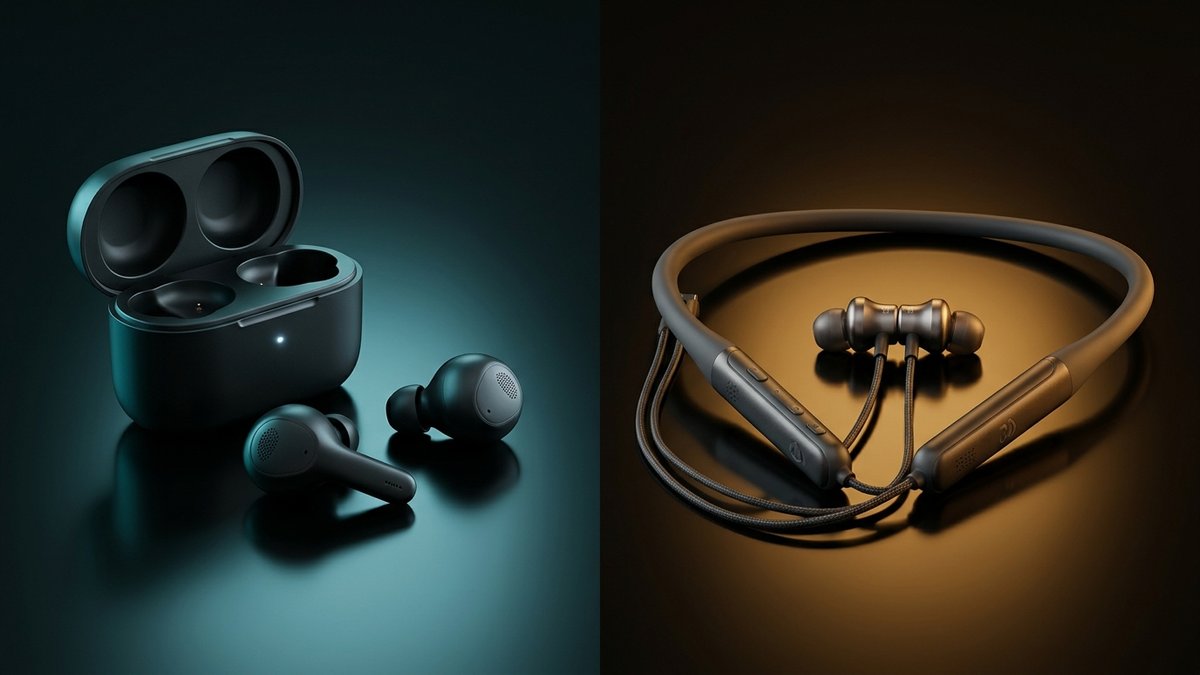
Walk onto any Indian metro coach, gym floor, or college campus, and you will immediately notice two dominant camps of wireless listeners: those wearing sleek, cord-free True Wireless Stereo (TWS) earbuds, and those sporting flexible Bluetooth neckbands resting around their collars. Despite predictions that earbuds would render neckbands obsolete, both form factors continue to thrive in 2026 for distinct practical reasons.
When deciding between a modern TWS vs neckband setup, the choice rarely comes down to raw audio frequency response alone. Instead, real-world utility—such as microphone performance in chaotic Indian street traffic, continuous battery longevity during long shifts, gym stability, and charging convenience—plays a decisive role. This guide breaks down the structural differences, head-to-head performance benchmarks, and tested product recommendations to help you invest in the right gear.
Quick Decision Matrix: At a Glance
| Feature | TWS Earbuds | Neckband Earphones | Winner |
|---|---|---|---|
| Portability & Style | Ultra-compact pocket case; completely cord-free | Rests on neck; bulkier to pocket | TWS |
| Single-Stretch Battery | 5 to 8 hours (requires docking in case) | 30 to 50+ hours continuous playback | Neckband |
| Outdoor Calling & Mic | Mics sit at ear; relies on heavy AI DSP | Inline mic sits closer to the mouth | Neckband |
| Workout & Running Security | Risk of falling if sweat loosens the seal | Magnetic clasp; zero anxiety of losing a bud | Neckband |
| Quick Accessibility | Must open case, take out, or hold in hand | Pop out of ear, hang freely on chest | Neckband |
| Active Noise Cancellation (ANC) | Available from ₹1,500 with tight acoustic seal | Available on select models (Realme, CMF) | TWS |
1. Microphone & Call Quality: Why Physical Placement Trumps Algorithms
If you frequently take calls while riding a two-wheeler, walking through crowded bazaars, or sitting in an open office space, microphone clarity is your top metric. While both form factors feature Environmental Noise Cancellation (ENC) algorithms in 2026, the underlying acoustics differ significantly.
A wireless neckband has its microphone module positioned along the wire, resting just inches away from your jawline. This shorter physical proximity captures your vocal vibrations directly, allowing the hardware to isolate voice frequencies without aggressively filtering out softer consonants. In contrast, TWS earbuds mount their microphones up by your tragus or on a short stem. To overcome the physical distance to your lips, TWS chipsets apply aggressive beamforming algorithms that can occasionally make voices sound digitized or thin in windy conditions.
The Verdict for Calls: For extensive voice calling during field commutes or outdoor duty, neckbands provide consistently louder, more natural vocal pickup. For quiet home offices and Zoom calls, modern TWS earbuds perform admirably.
2. Battery Longevity: Single Stretch Playback vs. Case Docking
Battery architecture is where the physical engineering gap is widest. True wireless earbuds are restricted by weight; each individual earpiece can only hold a tiny 40mAh to 50mAh lithium button cell to stay comfortable in the ear canal. This gives them an active runtime of roughly 5 to 8 hours per charge before they must be returned to the charging case for 30 to 45 minutes.
Neckbands, on the other hand, utilize the thickened collar wings to house substantial 180mAh to 250mAh battery cells without adding any ear fatigue. As a result, standard budget neckbands like the OnePlus Bullets Wireless Z2 deliver an astonishing 30 to 50 hours of non-stop playback on a single recharge. Furthermore, fast-charge protocols allow neckbands to gain 20 hours of listening time from just a 10-minute USB-C top-up.
If your routine involves back-to-back 12-hour shifts, intercity bus travel, or forgetting to charge your devices for an entire week, a neckband is practically unshakeable. If your listening comes in 1-to-2 hour bursts throughout the day, the 35+ hour aggregate backup of a TWS pocket case is more than sufficient.
3. Gym, Running & Sports: The Drop Factor
Fit stability is paramount during rigorous cardiovascular workouts, weight training, or morning jogs. With truly wireless earbuds, retention relies entirely on the friction between silicone ear tips and your inner ear canal. As perspiration accumulates during high-intensity intervals, sweat acts as a lubricant, which can cause an earbud to loosen and tumble out onto a treadmill belt or gym floor.
Neckbands solve this anxiety through tethered physical security. Even if you sprint or jump rope and an earbud dislodges, it simply hangs against your chest. Additionally, magnetic earbud backs allow you to snap the earpieces together into a secure necklace when resting between sets or having a quick chat with your trainer. You never have to reach into your gym bag for a charging cradle just to pause audio for two minutes.
4. Charging Precautions: Protecting Small Lithium Cells
Whether you choose true wireless buds or a flexible neckband, battery degradation is the most common cause of audio hardware failure within 18 to 24 months. Both devices contain compact lithium-ion pouch cells that generate excess internal heat when exposed to uncertified high-wattage charging blocks.
To extend the lifespan of your audio gear, avoid plugging them into proprietary 65W, 80W, or 120W phone turbo bricks that lack standard 5V/1A or 5V/2A negotiation steps. Instead, pair your gear with certified standard Type-C wall adapters or safe charging hubs detailed in our guide to the best fast charger for Android devices. You can also explore curated deals across verified power accessories on our electronics deals hub.
Top Tested Picks: Best TWS & Neckbands in India (2026)
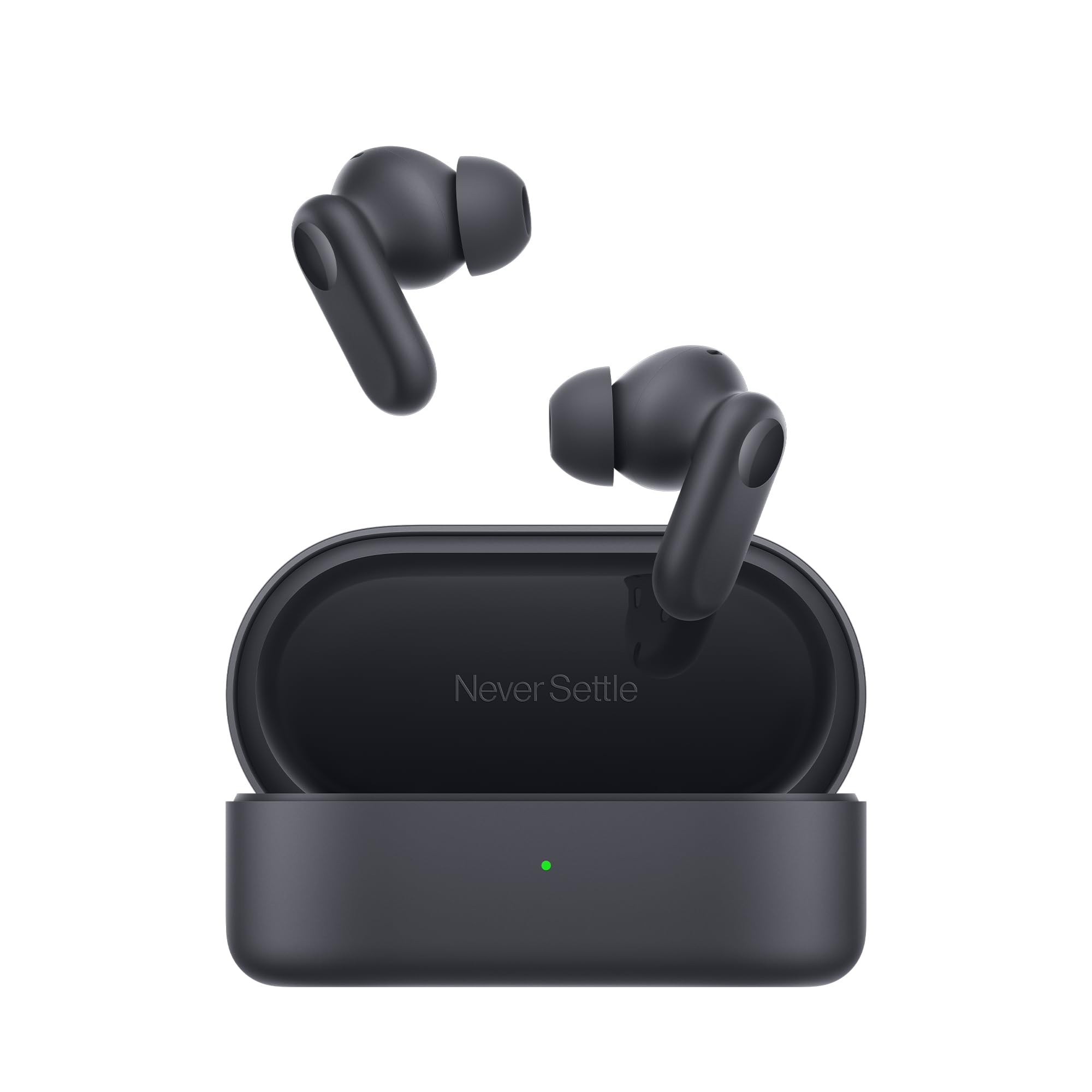
OnePlus Nord Buds 2R
Equipped with massive 12.4mm dynamic drivers, the Nord Buds 2R set the benchmark for balanced sub-₹1,500 audio. They deliver punchy mid-bass, customizable Sound Master equalizer profiles in the HeyMelody app, and IP55 water resistance.
- Battery: Up to 8 hours per bud; 38 hours total with case
- Latency: 94ms ultra-low latency gaming mode
- Drivers: 12.4mm titanium-coated dynamic drivers
- Punchy, distortion-free bass tuning
- Lightweight ergonomic earpiece design
- IP55 dust and water resistance
- No Active Noise Cancellation (ANC)
- Lacks in-ear detection for auto pause
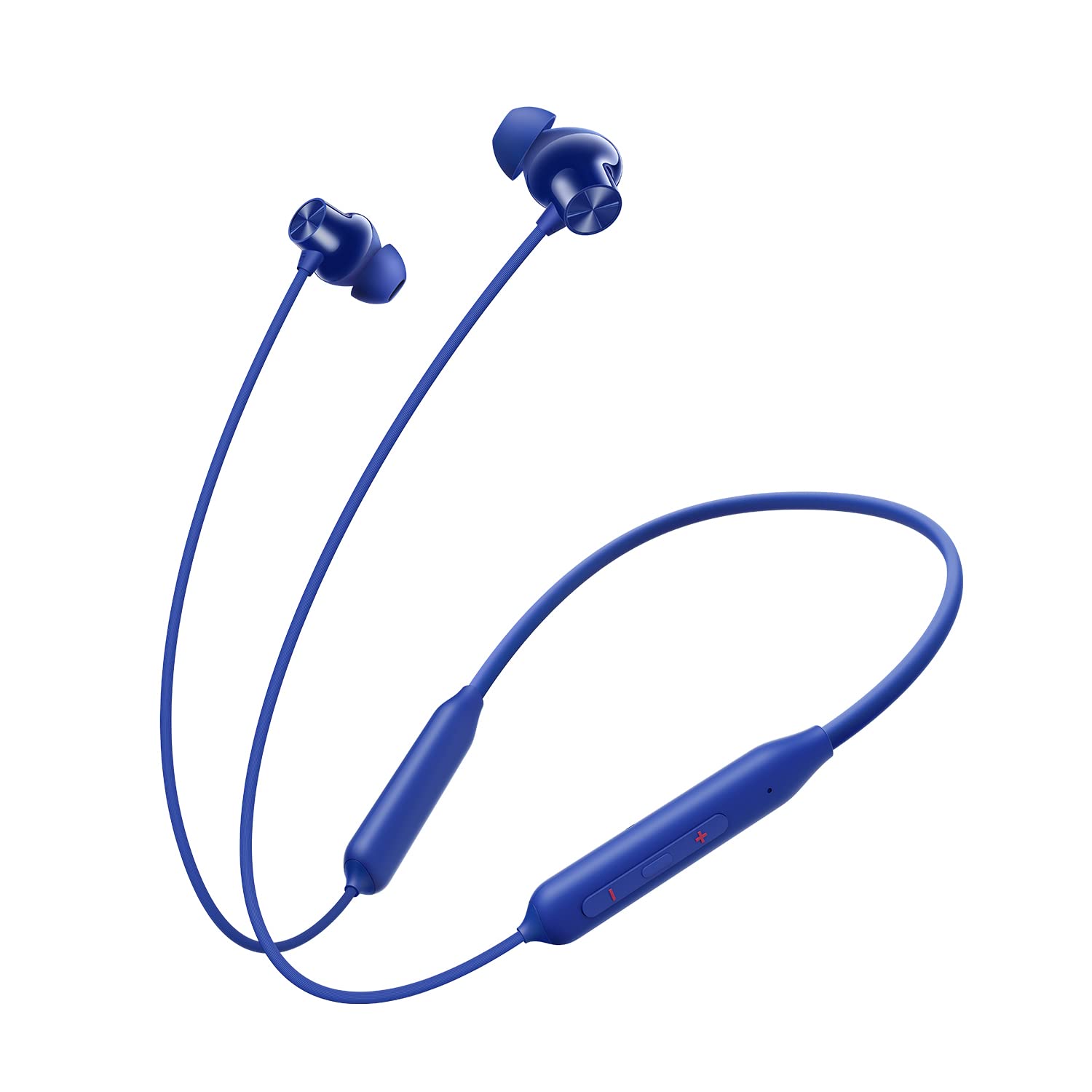
OnePlus Bullets Wireless Z2
The undisputed king of budget calling and continuous endurance in India. Its 12.4mm bass drivers deliver signature warmth, while the silicone collar sits comfortably without sticking to sweaty skin during intense workouts.
- Battery: Up to 30 hours continuous playback; 10 min charge gives 20 hours
- Microphone: AI Call Noise Cancellation with physical inline mic
- Durability: IP55 water and sweat resistant
- Superb call clarity in noisy street environments
- Magnetic earbuds auto-pause/disconnect smoothly
- Fast charging recovers 20 hours in just 10 mins
- Cannot be slipped into tight jeans pockets easily
- Lacks dedicated Active Noise Cancellation (ANC)
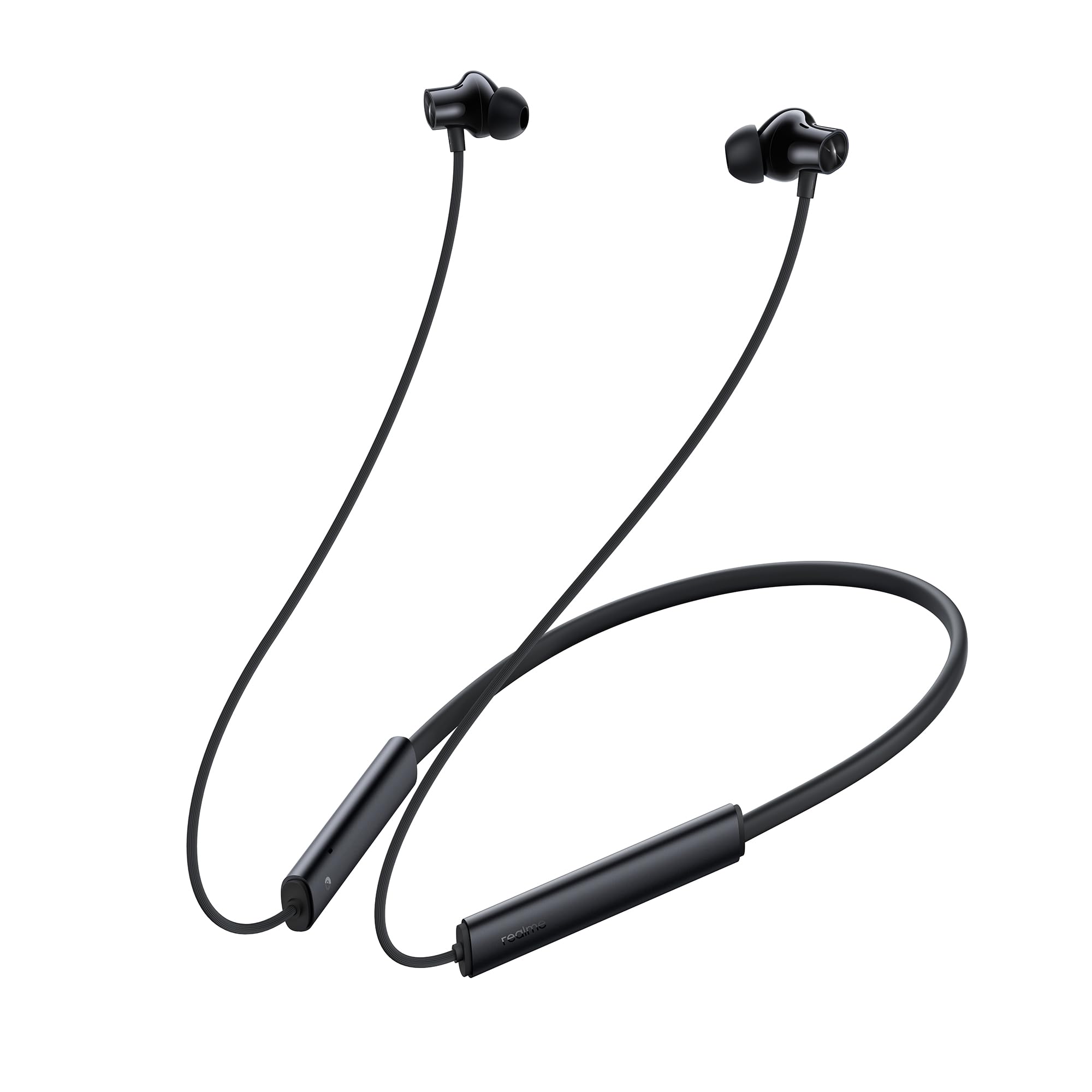
Realme Buds Wireless 3
Featuring up to 30dB of hybrid Active Noise Cancellation, this neckband cuts through bus engine hum and ceiling fan noise effortlessly. It packs large 13.6mm dynamic bass drivers with dual-device fast switching.
- ANC: 30dB Active Noise Cancellation with Transparency Mode
- Drivers: Large 13.6mm Dynamic Bass Drivers
- Battery: Up to 40 hours playback (ANC off); 26 hours (ANC on)
- Effective 30dB ANC rare at this price point
- Dual-device pairing connects phone and laptop simultaneously
- Rich spatial audio effect via Realme Link app
- Bass tuning can slightly overpower vocal acoustic tracks
- Collar wires are slightly stiffer than silicone competitors
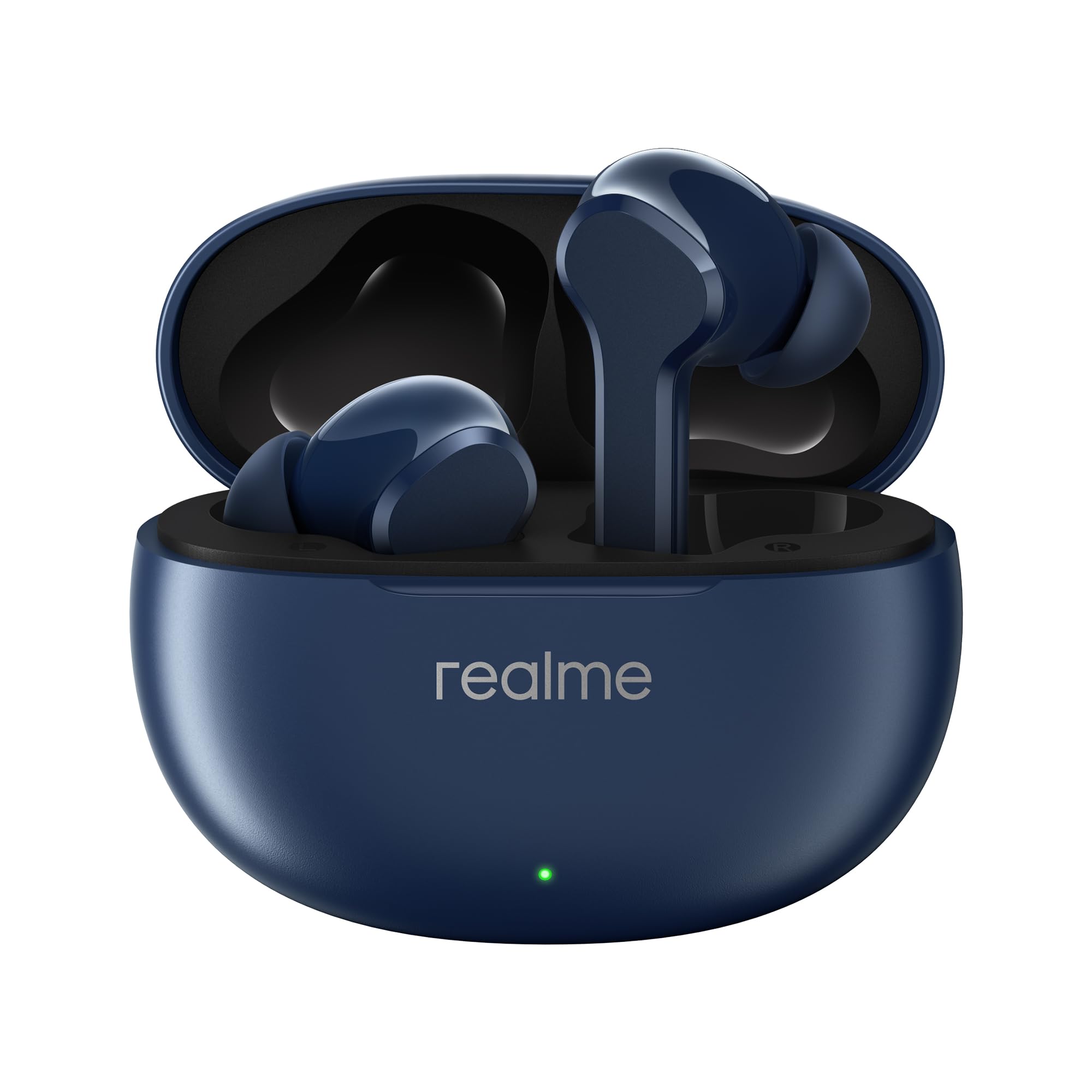
Realme Buds T110
For budget buyers wanting a lightweight true wireless experience under ₹1,000, the T110 delivers 10mm dynamic bass drivers, AI environmental noise cancellation for calls, and an 88ms super low latency gaming mode.
- Battery: Up to 7 hours per bud; 38 hours total with case
- Latency: 88ms low-latency game mode
- Durability: IPX5 water resistant
- Pocketable, sleek pebble-style charging case
- Low latency mode ensures solid audio sync in BGMI
- Comfortable fit for long study sessions
- Plastic charging case lid feels slightly lightweight
- Microphone struggles in heavy wind on two-wheelers
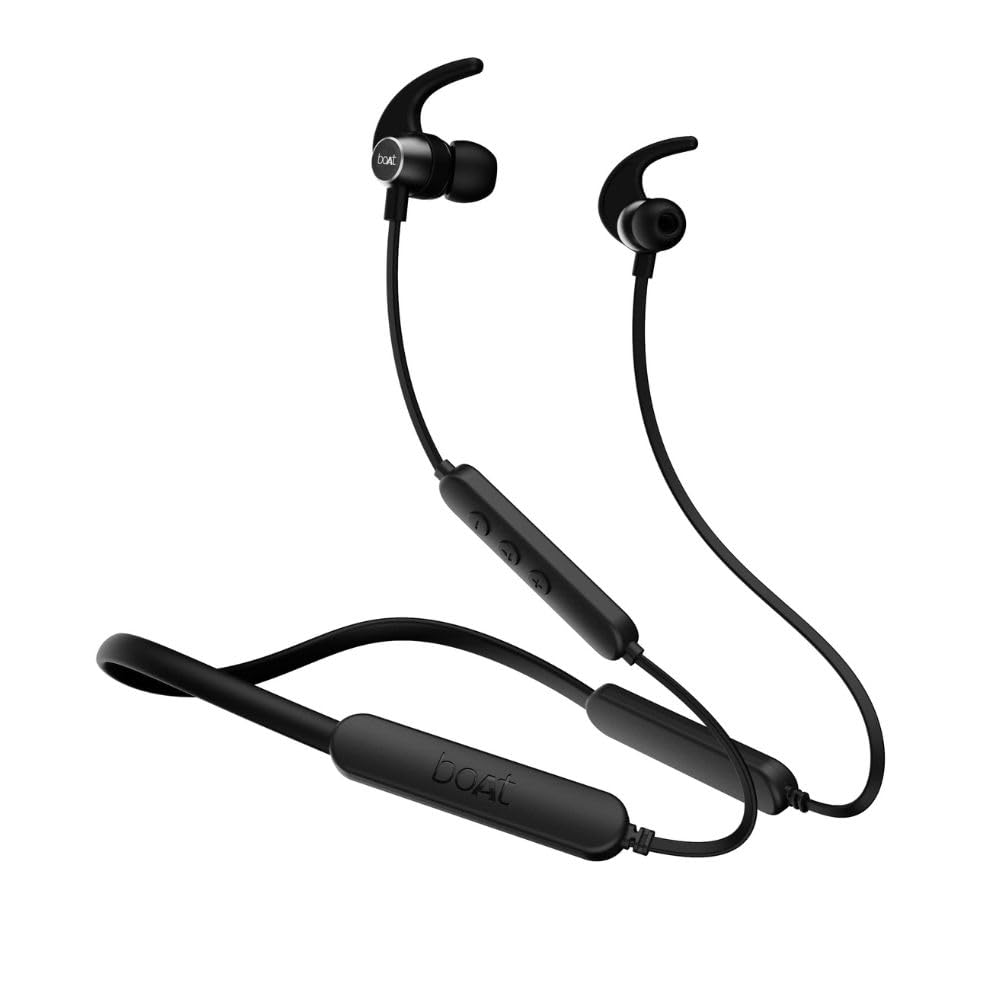
boAt Rockerz 255 Pro+
Engineered specifically for outdoor fitness and heavy gym perspiration, the Rockerz 255 Pro+ features an IPX7 water rating and boAt Signature Sound tuning with heavy low-end thump to power through intense workout sets.
- Battery: Up to 40 hours playback; ASAP charge gives 10 hours in 10 mins
- Durability: IPX7 water and sweat protection
- Drivers: 10mm dynamic bass drivers
- IPX7 rating survives heavy downpours and sweat easily
- Aggressive bass energy perfect for gym playlists
- Durable braided silicone cable construction
- Sound signature is bass-heavy and less analytical for classical vocals
- Inline button module is somewhat bulky compared to newer models
Buying Decision Checklist: Which Form Factor Fits Your Routine?
Choose TWS Earbuds If:
- You prioritize pocketability and hate having cables brush against your neck.
- You work at a desk or study in quiet libraries where you can dock them between breaks.
- You want modern features like in-ear detection, sleek touch controls, and compact carrying cases.
- Explore our tested recommendations in the best TWS earbuds under 1500 guide, or check out our top ANC picks in the best earbuds under 2000 roundup.
Choose a Neckband If:
- You make extensive phone calls while commuting outdoors or riding a two-wheeler.
- You cannot afford to stop listening every 6 hours and need a continuous 30+ hour battery life.
- You run, cycle, or do intense gym workouts and have anxiety about losing an earbud down a drain.
- Check our complete roundup of the top neckband earphones in India for more sport-focused options.
- Need an ultra-budget backup? Don’t miss our breakdown of the best earphones under ₹500.
Frequently Asked Questions
Which is better for running: TWS or neckband?
Neckbands are generally safer for running and cardio sessions. Because the earpieces are tethered to the collar band, any earbud loosened by sweat simply drops to your collar rather than hitting the ground. If you prefer TWS for running, look for models with winged ear fins or an IPX5 or higher rating.
Do neckbands have better microphone quality than TWS earbuds?
Yes, in real-world outdoor environments. Neckbands place the microphone module along the neck wire closer to your mouth, capturing vocal frequencies directly with less background wind distortion. TWS earbuds use beamforming algorithms over a greater physical distance, which can cause voice muffling in heavy outdoor traffic.
How long does a neckband battery last compared to TWS earbuds on a single charge?
On a single continuous stretch, a neckband lasts between 30 and 50 hours, whereas TWS earbuds run for 5 to 8 hours before needing to be recharged inside their case. Total battery including the TWS charging case is typically 30 to 40 hours.
Can I charge my TWS earbuds or neckband with a 65W smartphone fast charger?
While modern certified USB-PD adapters negotiate standard 5V charging safely, proprietary fast-charging adapters (such as 65W to 120W Warp or Dart chargers) can cause small lithium cells to heat up over time. It is safer to use a certified 5V/1A or 5V/2A standard USB adapter to preserve overall battery health.

Pradeep Kumar is a passionate writer and product enthusiast who loves exploring smart, practical, and thoughtfully designed products. With a keen eye for detail, he researches specifications, compares features, and studies real buyer feedback to create easy-to-follow buying guides on mobile accessories, electronics, and everyday essentials. His goal is to help readers choose the right product with confidence and find genuine value in every purchase.